
To understand the risk of dying without a plan, we can look at one of the most famous examples in American history: Hollywood icon James Dean.
James Dean’s life was marked by a complex family structure. After his mother passed away when he was only nine years old, Dean became estranged from his father. He was sent to live with an aunt and uncle on a farm in Indiana, and they were the ones who truly raised him and supported his early career.

When Dean died tragically at age 24 in a car accident, he had no Will. Because he died “intestate,” the law (similar to Oklahoma’s current statutes) ignored his close relationship with his aunt and uncle and looked strictly at his legal bloodline.
The Resulting Irony
Despite their years of estrangement, James Dean’s entire estate—and the ongoing rights to his lucrative likeness—passed directly to his father. While we cannot know for certain what Dean would have wanted, it is highly likely he would have preferred to provide for the relatives who raised him rather than the father he barely knew. Without a legal document to state those wishes, the court had no choice but to follow the rigid rules of succession.
How This Applies to Oklahoma Families
The James Dean story isn’t just for celebrities; it happens to Oklahoma families every year. Intestacy laws cannot account for:
- Estrangement: The law doesn’t care if you haven’t spoken to a relative in decades.
- Non-Legal Bonds: The law does not recognize “chosen family,” step-parents, or the relatives who actually stepped up to raise you.
- Specific Intent: A judge cannot consider your verbal promises or your “known” wishes. They can only follow the written statute.
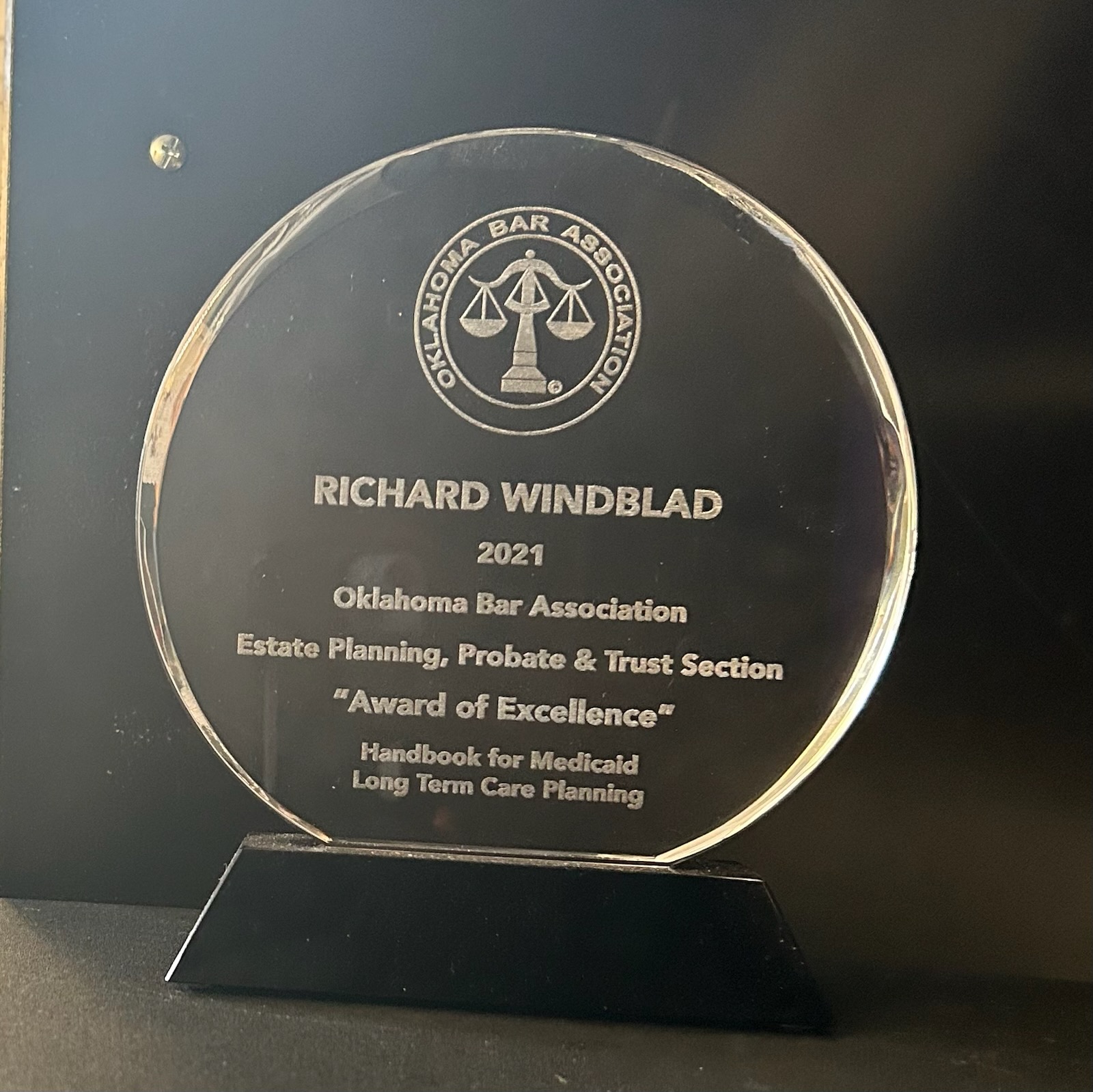
Honored to receive the Award of Excellence from the Oklahoma Bar Association’s Estate Planning, Probate and Trust Section.
Our commitment to providing clear, honest guidance—treating every client with the same integrity I would show a member of my own family—is reflected in my AV Preeminent® peer review rating from Martindale-Hubbell.
This rating is the highest distinction a lawyer can achieve and is a testament to the fact that my fellow attorneys and members of the judiciary rank my work at the highest level of professional excellence.*
Mandatory Disclaimer
Note on Ratings: AV®, AV Preeminent®, Martindale-Hubbell Distinguished and Martindale-Hubbell Notable are certification marks used under license in accordance with the Martindale-Hubbell certification procedures, standards and policies. Martindale-Hubbell® is the facilitator of a peer review rating process. Ratings reflect the anonymous opinions of members of the bar and the judiciary. Martindale-Hubbell® Peer Review Ratings™ fall into two categories – legal ability and general ethical standards. This is not a certification of any specialty.